Later Life Mortgages
Designed a high-stakes, two-sided financial service for vulnerable customers aged 55-88 while simultaneously building Nationwide's first cross-team responsive design system.

The Challenge
Nationwide saw a gap: members aged 55–88 needed tailored borrowing options (downsizing, equity release, debt consolidation), but the market was a mess of jargon and "product-first" thinking. The twist? This was a synchronous, two-sided experience: customers in-branch viewing a mirrored screen (often tech-hesitant and emotionally charged) and remote mortgage consultants driving the journey via live video.
The Solution
Created a journey that felt like a supportive conversation, not a clinical transaction. Facilitated two design sprints to bridge underwriting logic with human empathy. Established "Radical Transparency" principle where customers saw explanations for every number consultants viewed. Designed step-wise guidance, plain-language UI, and a persistent MC dashboard. Simultaneously led creation of Nationwide's first responsive design system using Atomic Design principles with heavy accessibility focus.
Design Sprint Approach
Intensive, time-boxed sprints to move from ambiguity to validated prototype
The Backbone
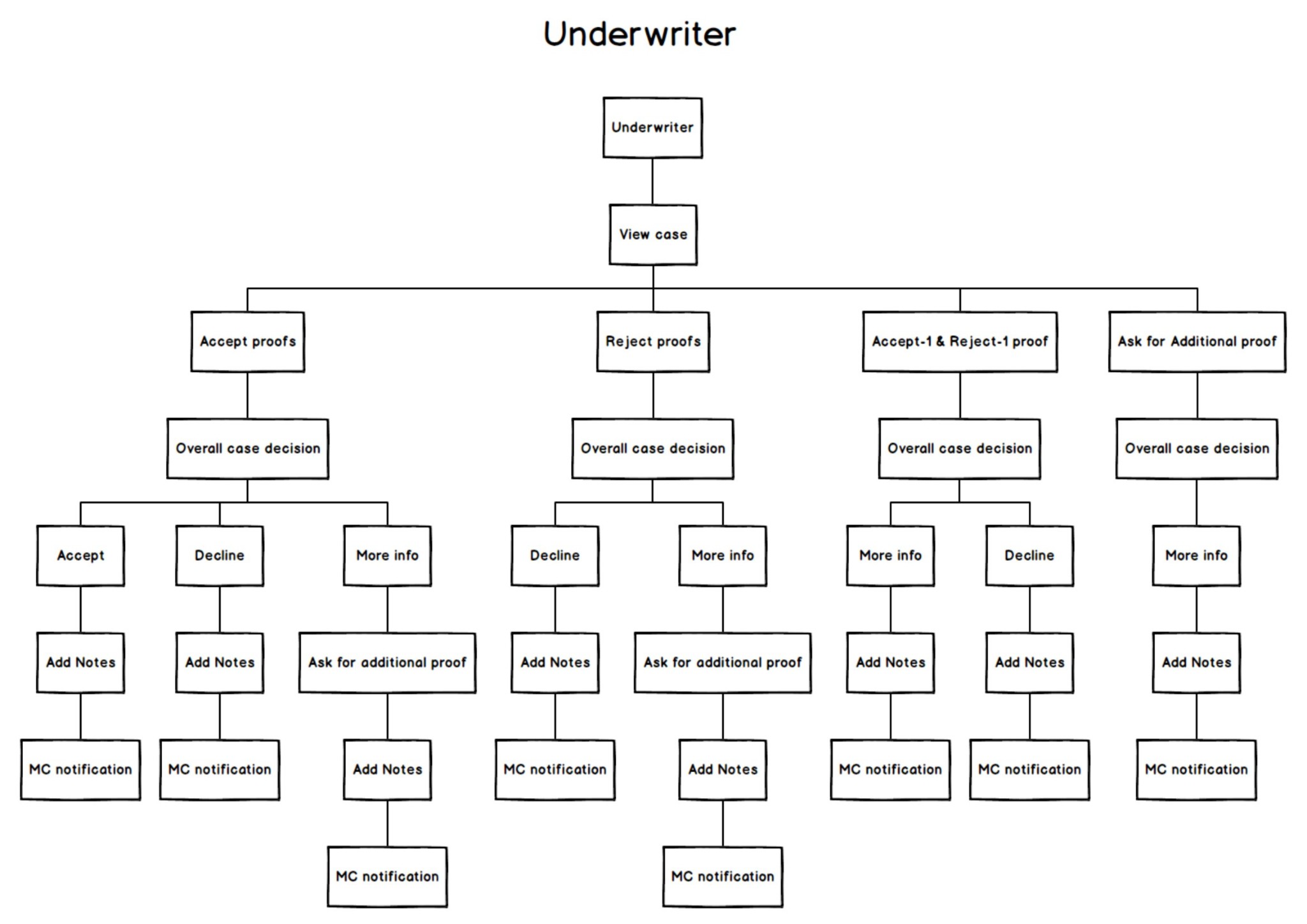
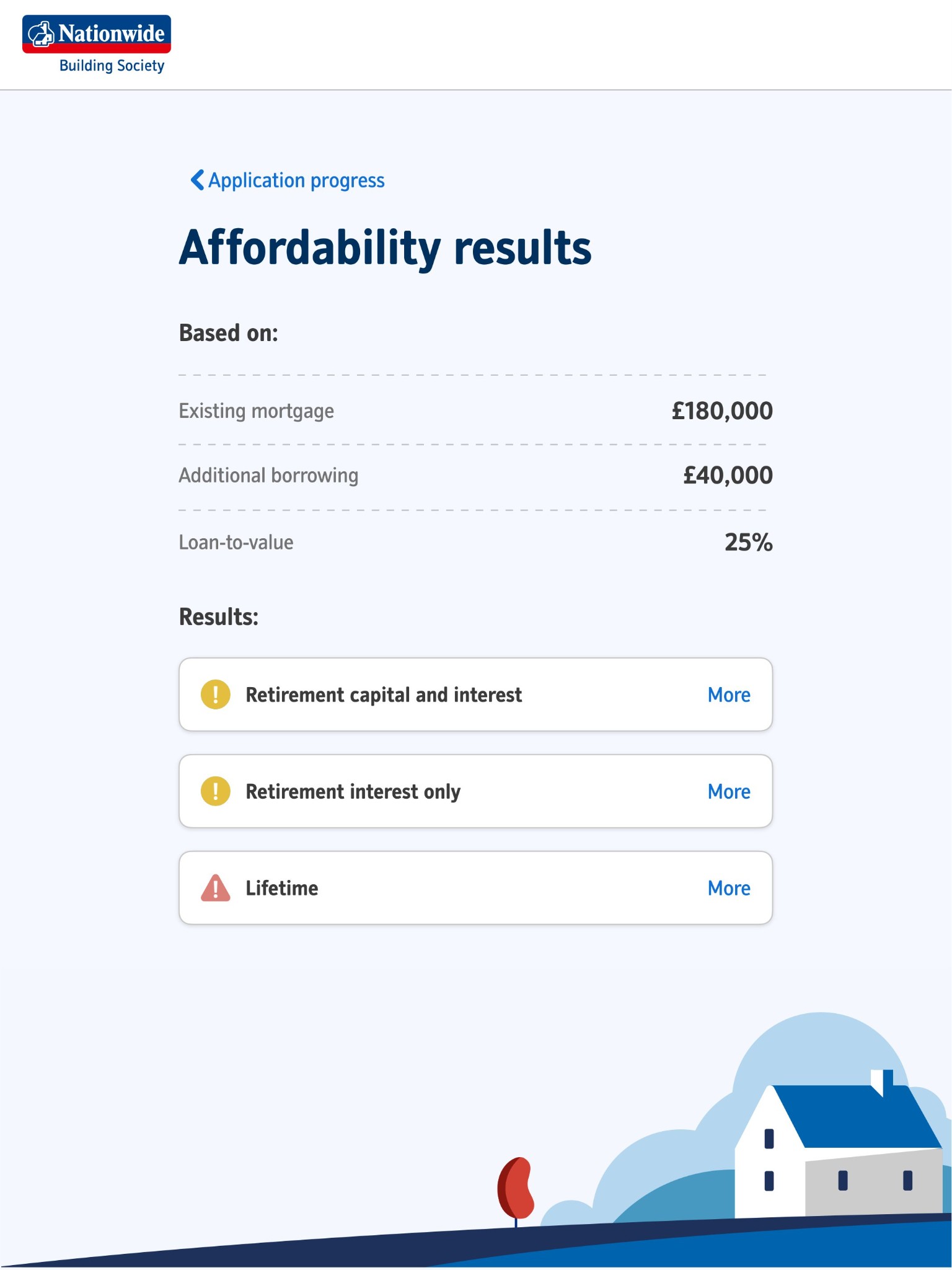
1 weekEligibility vs. Affordability logic
Activities
- Moved team away from "Lorem Ipsum" and forced use of real, messy financial data early on
- Mapped eligibility criteria and affordability calculations
- Prototyped logic flows with actual customer scenarios
- Tested with mortgage consultants for accuracy
Outputs
The Refinement
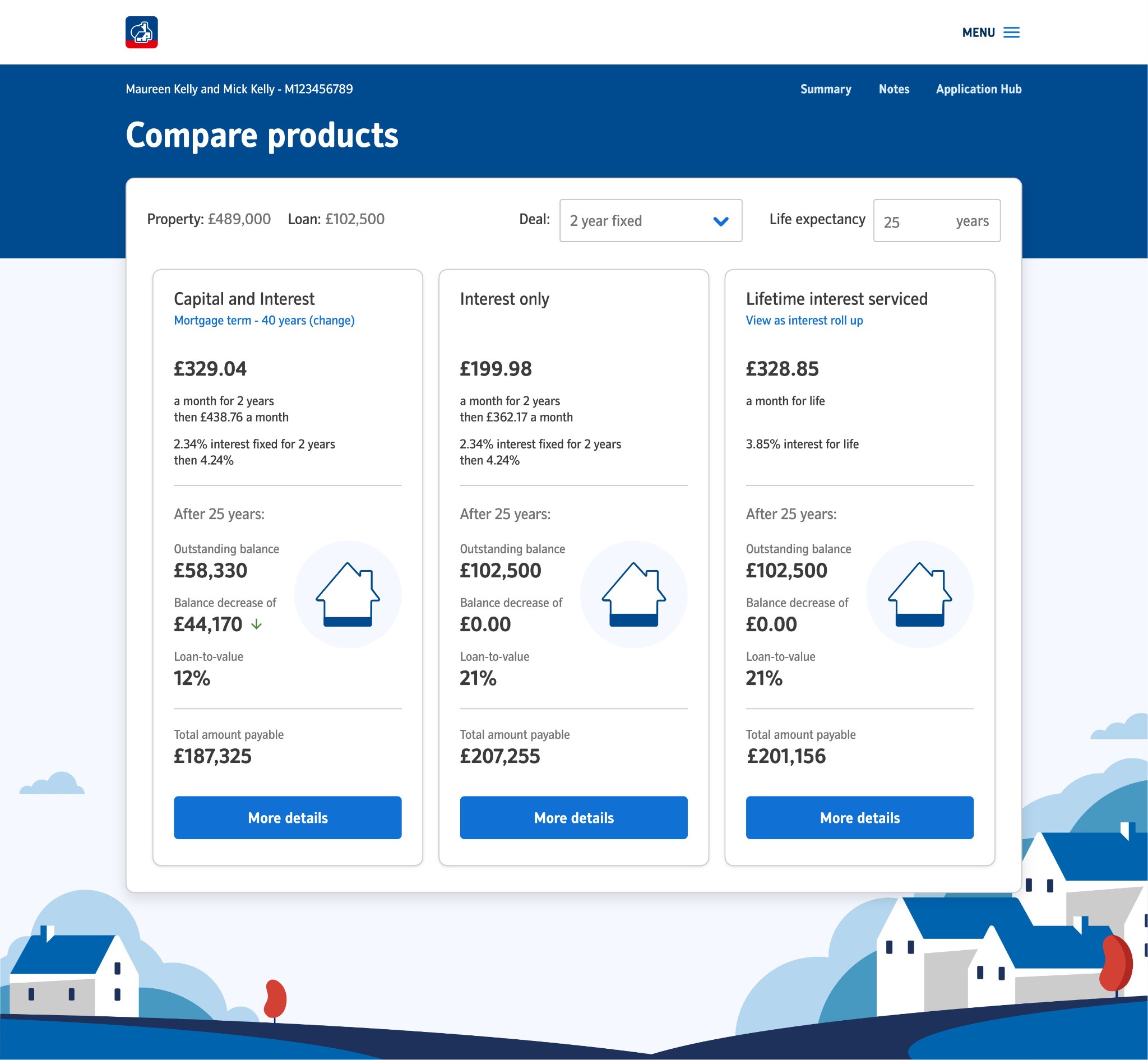
1 weekProduct Comparison
Activities
- Instead of dense tables, designed "Outcome Cards"
- Visualized impact of three core paths: Capital + Interest, Interest Only, and Interest Roll-Up
- Iterated with customer feedback
- Simplified complex financial product comparisons
Outputs
Design Principles
Radical Transparency
Established "Mirrored Clarity" - if consultant saw a number, customer saw the explanation of that number
Step-wise Guidance
Broke the "wall of questions" into bite-sized, contextual steps
Plain-Language UI
Replaced "Equity Release" with "What you'll still own"
At-a-Glance MC Dashboard
Designed persistent sidebar for consultant so they never had to "tab away" from customer to check a figure
Measured Results
"This project proved that even in highly regulated, "boring" sectors like banking, great design is a competitive advantage. My role wasn't just to "make it look good"—it was to translate complex financial risk into a humane, accessible digital service."
What I Learned
- 1
Consultant-first research can unlock insights about end users in regulated environments
- 2
Two-sided experiences require designing for empathy AND efficiency simultaneously
- 3
Plain language isn't "dumbing down" - it's respecting users' emotional state
- 4
Design systems succeed through inclusion, not mandate
- 5
Weekly audits turn static libraries into living ecosystems
- 6
Accessible design for vulnerable demographics is both ethical imperative and business advantage
- 7
Complex financial products can be made human through radical transparency