HSBC Business Banking Platform
Led UX transformation of HSBC's business banking platform serving UK enterprises, managing 12 designers across UK and India to redesign legacy systems affecting billions in deposits.
The Challenge
HSBC's business banking was a 20-year patchwork of 8 legacy systems rated 2.3/5 for usability. Top 20 UK business customers (£500M+ deposits) were threatening to switch to competitors launching modern platforms. £12M annual cost in call center volume due to confusing UI. Needed to transform while running legacy systems in parallel - couldn't turn off old systems during migration.
The Solution
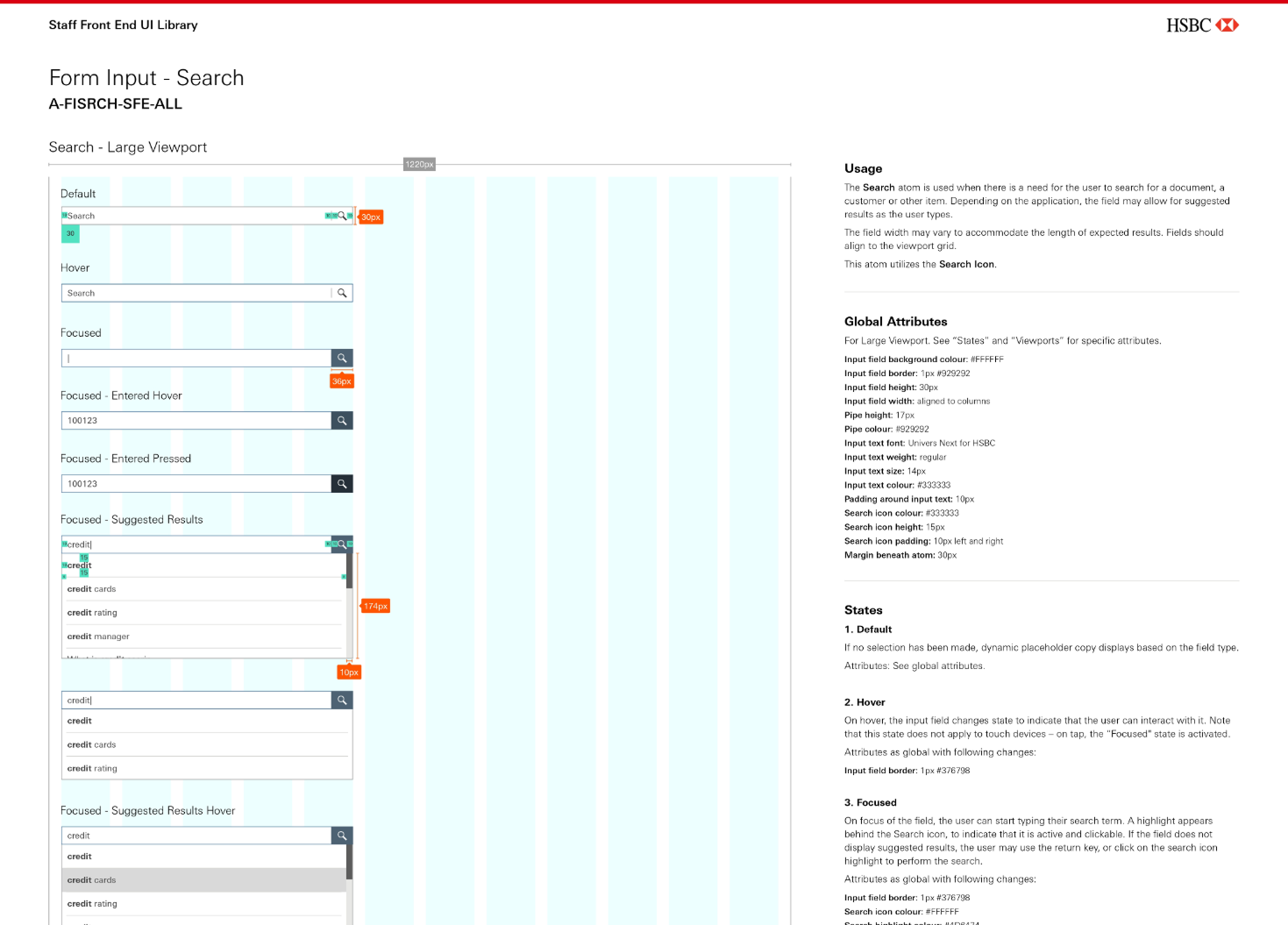
Convinced leadership to invest 3 months building comprehensive design system first (120 components, interaction patterns, accessibility standards) - ensuring consistency and enabling distributed UK/India team to work in parallel. Focused initial research on top 20 clients rather than trying to serve everyone. Simplified 200+ pages to 40 core pages organized by user task. Redesigned payment flow from 7 screens/18 fields/4 minutes to 3 screens/8 fields/45 seconds using smart defaults.
Discovery & Research
- 1In-depth interviews (20): CEOs, CFOs, Finance Directors of top clients - 90 mins each at their offices
- 2Contextual inquiry (8): Shadowed finance teams during banking workflows
- 3Journey mapping workshops (12): Mapped current state with actual customers
- 4Competitive analysis: Tested Barclays, NatWest, Tide platforms
- 5Data analysis: 6 months of analytics - where users struggled, what they used most
- 6Call center observation: Listened to 50+ support calls
What We Learned
Speed Over Features
"I don't need fancy dashboards. I need to authorize a £2M payment in 30 seconds between meetings." - CFO, Tech Sector
Multi-User Complexity
Enterprise banking involved 5-10 people with different roles, permissions, approval workflows. Current system made this chaos
Mobile Critical
CFOs weren't at desks - approved payments from airports, trains, home. Mobile experience was atrocious
Trust Through Transparency
Businesses needed audit trails, visibility into processing, confirmation of what happened when
Consistency Matters
Each legacy system had different navigation, terminology, interaction patterns. Users had to relearn UI constantly
Design Principles
Speed First
Optimize for 5 most common tasks: payments, balances, transfers, approvals, reports
Role-Based
Different users see different interfaces based on their role
Mobile Parity
Full functionality on mobile, not a reduced "lite" version
Undo/Edit
Let users fix mistakes without calling support
Predictable
Every section follows same patterns - learn once, use everywhere
Transparent
Show exactly where money is, what's processing, what's complete
Measured Results
"The new HSBC platform finally matches what we expect from enterprise software in 2018. Kamran's team actually listened to how we work and designed around our reality, not around the bank's org chart."
What I Learned
- 1
Design systems are force multipliers - initial investment pays off exponentially
- 2
Enterprise UX requires understanding business workflows, not just individual users
- 3
Managing distributed teams requires over-communication and strong governance
- 4
Parallel system operation during migration is painful but necessary at scale
- 5
Winning trust of skeptical enterprise customers requires showing, not telling
- 6
Focusing on top customers first (not trying to serve everyone) accelerates learning